


Feature by: Augustine Appiah Brafie
It was a World Cup campaign that began in the shadow of despair and briefly flickered with the bright light of renewed hope. The Black Stars’ journey through the 2026 FIFA World Cup, co-hosted by the United States, Canada, and Mexico, was a microcosm of Ghanaian football itself: a story of immense potential, battling against the weight of internal strife and missed opportunities.
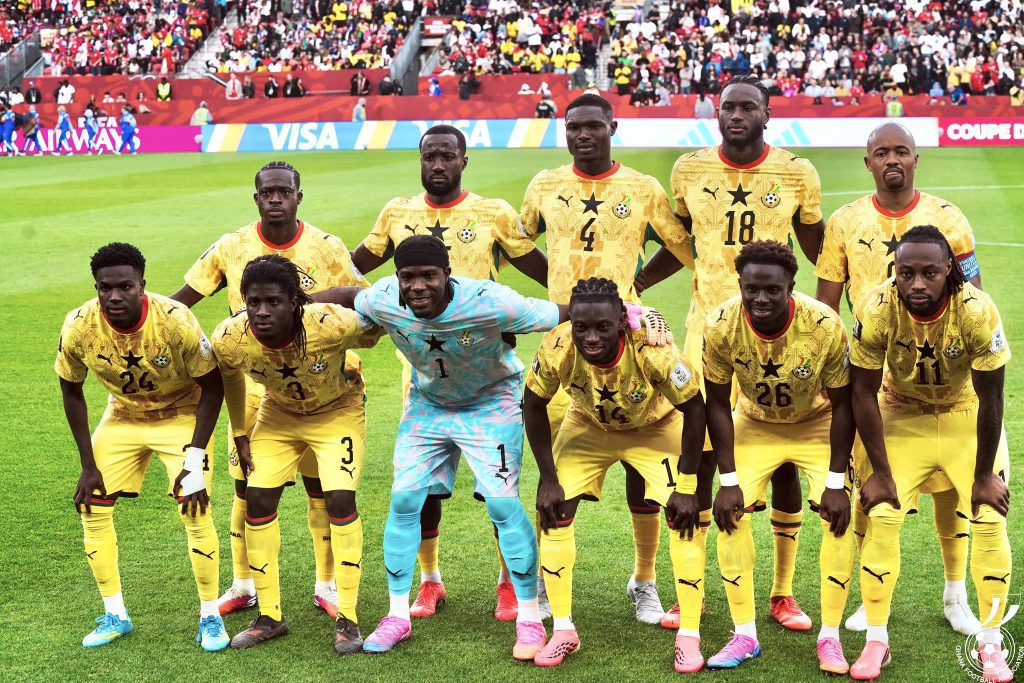
Few gave the Black Stars a chance including my good self . Arriving in North America on the back of a disastrous pre-tournament run winless in six friendlies, with five defeats and a staggering 12 goals conceded expectations were at an all-time low. Carlos Queiroz, the veteran Portuguese coach, had been hurriedly appointed just months before the tournament to steady a sinking ship, following the sacking of Otto Addo. The squad he selected was a blend of experience and untested youth, a necessity forced by injuries to key players like Mohammed Kudus and Alexander Djiku. More than half the squad were World Cup debutants, with captain Jordan Ayew the only player preparing for his third tournament.
Yet, against this backdrop of gloom, the Black Stars produced a performance of defiance. They opened Group L with a nail-biting 1-0 victory over Panama, with a dramatic 95th-minute winner from debutant Caleb Yirenkyi, assisted by the dynamic Brandon Thomas-Asante. Then came a monumental 0-0 draw against tournament favourites England, a result that silenced critics and showcased a newfound defensive resolve. These results, combined with outcomes in other groups, mathematically secured Ghana’s place in the Round of 32 before they had even played their final group match. It was Ghana’s first knockout stage qualification in a major tournament since 2010, sparking celebrations from Accra to Kumasi.
The jubilation, however, was short-lived. The same internal demons that have haunted Ghanaian football for over a decade resurfaced. Reports emerged of a dispute between Queiroz and forward Brandon Thomas-Asante, the hero of the Panama victory. Thomas-Asante, who had provided the assist for the winning goal, was alleged to have requested more playing time, a move that reportedly angered the coach. Sources suggested Thomas-Asante was subsequently benched, a decision that would have disastrous consequences.
The team’s performance visibly declined. They lost their final group game 2-1 to Croatia, a match many saw as an opportunity to build momentum. The defeat was excused as a result of already being through, but the warning signs were there. In the Round of 32, Ghana faced Colombia and produced a listless, uninspired performance, losing 1-0. Most damningly, they failed to register a single shot on target in the entire match. The energy, passion, and team spirit that had defined the opening games had vanished.
The aftermath was one of profound disappointment. Fans, who had dared to dream again, were left questioning what went wrong. Many placed the blame squarely on the technical team’s selections and the team’s cautious tactics. Critics argued the players appeared afraid to lose, lacking the urgency and attacking intent needed to advance. The performances of key senior players, including captain Jordan Ayew and midfielder Elisha Owusu, were singled out as below standard.
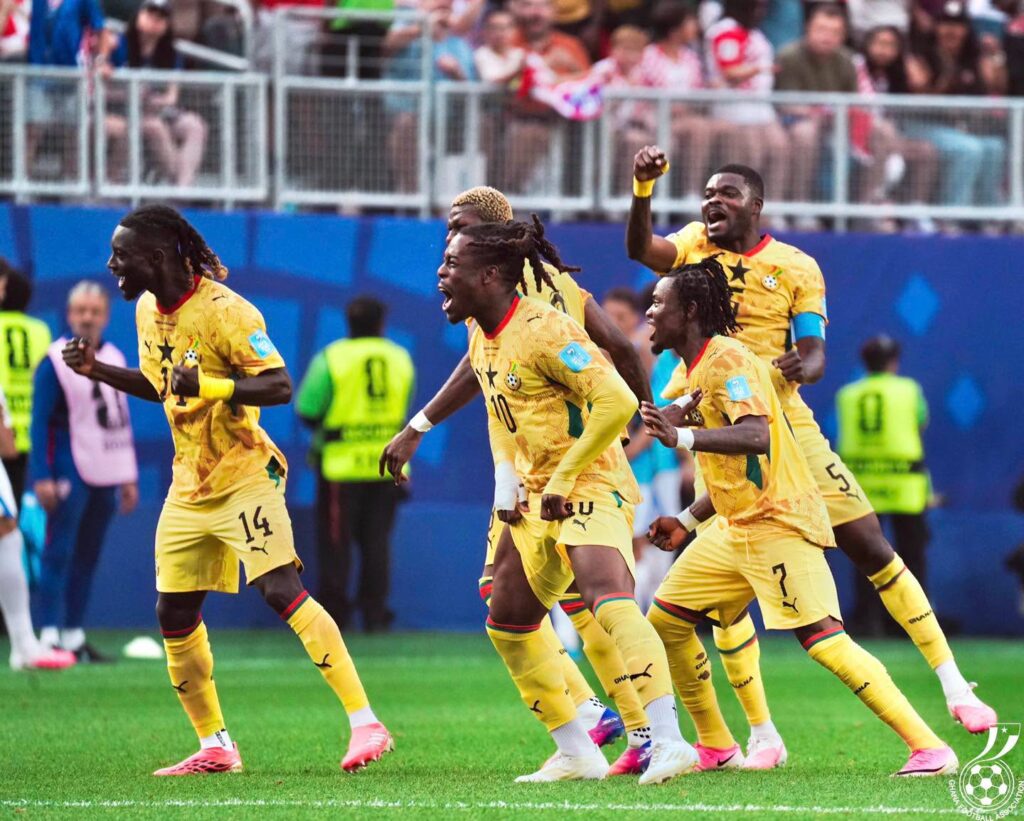
However, a deeper narrative echoed through the post-tournament analysis. The dispute involving Thomas-Asante and the subsequent decline in team spirit was seen by many as a painful reminder of a recurring problem. The Ghanaian Times published a scathing analysis, declaring that the team’s “biggest opponent wears Black Stars jerseys”. It drew parallels to the 2014 World Cup in Brazil, where internal disputes over appearance fees and indiscipline tore the squad apart, culminating in the sacking of Kevin-Prince Boateng and Sulley Muntari before a crucial game. The article argued that Ghana’s “recurring question” is “whether the team can conquer the battles that rage beyond the touchline.”
Despite the bitter end, there were positive takeaways. Thomas Partey was widely praised as the team’s most consistent performer, anchoring the midfield with composure and leadership. Young talents like Caleb Yirenkyi, Jerome Opoku, and Gideon Mensah earned plaudits for their commitment and are seen as a core to build around for the future.
The campaign also raised questions about the coaching situation. Queiroz, who was on a short-term deal, announced his resignation on social media shortly after the defeat. However, the Minister for Sports and Recreation, Kofi Adams, clarified that no official resignation letter had been received, and Queiroz was still expected to submit a technical report on the campaign.
The 2026 World Cup for the Black Stars ultimately ended in the Round of 32, a result that matched initial expectations but felt like a bitter pill to swallow given the heights they had briefly touched. It leaves Ghanaian football at a familiar crossroads: blessed with talent but still searching for the unity and discipline to transform potential into lasting success on the world stage.